How to Start Day Trading Futures With a Prop Firm Account and a Live Trading Routine
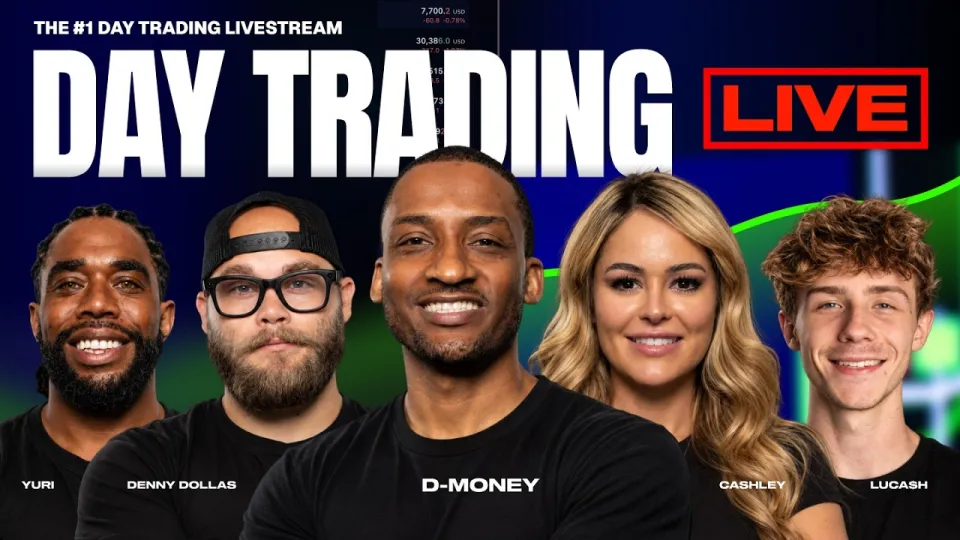
Video: LIVE DayTrading! #1 Watched Futures Trading Show!
You can order the same kind of articles for your own video to boost it on YouTube and Google. Just message the Telegram bot @sat_sit_bot. Articles with your video embedded are written and posted by the bot itself — on popular topical sites (no ads). Your first 50 articles are free.
· based on the channel Patrick Wieland
Day trading futures through a prop firm means buying an evaluation, passing its profit target without breaking its drawdown rules, and then trading the funded account on a fixed daily routine. The fastest way to learn that routine is to watch a live futures desk operate in real time and copy its risk process rather than its exact entries. Patrick Wieland runs one of the most-watched live futures shows on YouTube, streaming from the BDH Day Trading Floor in South Florida and California every trading day.
What day trading futures actually involves
Day trading futures is the practice of opening and closing contracts such as the E-mini S&P 500 (ES) or Nasdaq (NQ) inside a single session, with no overnight exposure. The instrument matters less than the rules around it: contract size, tick value, session hours, and the daily loss limit you refuse to cross.
Three things separate futures from spot crypto or stock trading:
- Leverage is built into the contract, so a single ES contract controls a notional value many times the margin required.
- Sessions are structured, with the regular US cash session and the overnight Globex session behaving very differently in volatility.
- Most retail futures traders now trade prop firm capital instead of their own, because a funded account multiplies buying power without multiplying personal risk.
That last point is why the prop firm model dominates the niche. You pay an evaluation fee, trade a simulated account under real rules, and receive a profit split if you pass.
How the prop firm evaluation model works
A prop firm evaluation is a paid test: you must hit a profit target while staying inside a maximum drawdown and, usually, a daily loss limit. Pass it, and you trade a funded or simulated-funded account with a share of the profits.
Typical evaluation structure:
- Profit target: often 6% to 10% of account size for a first phase.
- Maximum drawdown: a trailing or static floor, commonly 4% to 6%.
- Daily loss limit: a hard stop that ends the trading day, often 2% to 3%.
- Consistency rules: some firms cap how much of your total profit can come from a single day.
- Payout terms: profit split, minimum trading days, and a first-payout delay.
The firms most often compared in this space include Lucid Trading, TakeProfitTrader, Apex Trader Funding, Tradeify, Legends Trading, BluSky Trading, TradeDay, and MyFundedFutures. Rankings and discount codes for all of them are aggregated on OnlyPropFirms.com, which is the comparison hub linked from the BDH stream.
Building a daily trading routine that survives drawdown
A trading routine is a fixed sequence of decisions you repeat every session so that emotion has fewer places to enter. The routine matters more than the setup, because a mediocre setup traded consistently beats a great setup traded randomly.
A workable futures day trading routine looks like this:
- Pre-market preparation. Mark the previous day's high, low, and close, plus the overnight range. Note scheduled economic releases that can spike volatility.
- Session plan. Decide in advance which hours you trade, which instrument you trade, and how many contracts you allow yourself.
- Risk pre-commitment. Write down the maximum loss for the day and the maximum number of trades. When either is hit, you stop.
- Execution. Take only the setups in your written plan, at the levels you marked before the open.
- Post-session review. Log every trade with entry, exit, size, and the reason you took it. Review weekly, not daily.
Prop firm rules punish improvisation. A trader who doubles size after two losses usually breaches the daily loss limit before the strategy has a chance to work.
What a live trading stream teaches that a course cannot
A live trading stream shows the parts of trading that recorded lessons edit out: waiting, hesitation, missed entries, and the decision to sit flat. Watching a desk of traders narrate those moments builds realistic expectations about how often a futures trader actually clicks the mouse.
The BDH stream runs daily with a crew rather than a single host. Patrick Wieland trades alongside Damareous Young, Lucas Kennard, and Denny Jones, which means viewers see several styles and risk tolerances at once instead of one curated narrative. The show also covers prop firm reviews, giveaways, and industry discount codes, so it doubles as a comparison channel for anyone shopping evaluations.
For traders who want the strategy itself rather than the live commentary, Patrick Wieland sells a two-hour trading course for $99 through onlypropfirms.com. It is positioned as the same approach he trades on stream.
Common questions new futures traders ask
New traders tend to ask the same two things before they commit money: which setup is being used, and where that setup can be bought. Both questions point at a real gap, because a live stream shows entries in real time but rarely explains the full rule set behind them.
A few practical answers:
- Setups are usually simple. Most futures day trading approaches are built from market structure, prior-day levels, and a session bias, not from a proprietary indicator.
- The paid course is the packaged version. If you want the rules written out, that is what the $99 course exists for.
- Free alternatives exist. Watching the stream daily, journaling what you see, and backtesting those patterns yourself costs nothing but time.
- No setup removes risk. A prop firm evaluation can be failed with a perfect setup if position sizing is wrong.
Another frequent concern is copy trading and signal groups. Copying entries without understanding the exit logic tends to fail, because the follower does not know when the original trader has already changed the plan.
Choosing a prop firm without overpaying
Choosing a prop firm comes down to matching the rules to your trading style, not chasing the cheapest evaluation. A scalper who takes many small trades needs a firm without a strict consistency rule; a swing-style futures trader needs overnight holding allowed.
Compare these variables before buying:
- Drawdown type: trailing versus static, and whether it moves against you as you profit.
- Daily loss limit: whether it is a hard stop or a soft breach.
- Payout speed: days to first payout and the profit split percentage.
- Platform and data fees: some firms charge monthly for the feed.
- Reset pricing: how much it costs to restart a failed evaluation.
Discount codes change frequently, which is why a comparison page is more reliable than a single referral link. The BDH description routes viewers to OnlyPropFirms.com for current rankings, reviews, and account comparisons across all the major firms.
Final thoughts on starting a futures trading routine
Starting as a futures day trader is mostly an exercise in process discipline: pick one instrument, write your risk rules, buy an evaluation that fits your style, and repeat the same session routine until the data tells you what to change. A live stream is a useful mirror for that process, because it shows how often professional traders wait instead of trade. Patrick Wieland's daily show is one of the clearest examples of that format, combining live futures execution with prop firm reviews and a crew of traders with different approaches. Treat the stream as a study tool, not a signal service, and the lessons transfer to your own account.
Key takeaways
- Futures day trading is done through a prop firm evaluation or funded account, not with your own capital at first.
- Patrick Wieland streams live futures trading every trading day from the BDH Day Trading Floor in South Florida and California.
- The BDH crew includes Patrick Wieland, Damareous Young, Lucas Kennard, and Denny Jones.
- OnlyPropFirms ranks Lucid Trading first, TakeProfitTrader second, and Apex Trader Funding third.
- Patrick Wieland's two-hour trading course is priced at $99 and teaches the strategy he trades live.
Questions & answers
What setup do most futures day traders use on a live stream?
Most live futures desks trade a small number of repeatable patterns built from prior-day high, low, and close, the overnight range, and a session bias. The entries are usually simple market structure breaks or reversals at marked levels, not exotic indicators. If you want a specific trader's full rule set written out, that is typically what a paid course provides.
Where can I buy the exact setup a trader uses on stream?
Some traders sell their strategy as a standalone course, and in this niche the BDH stream points to a two-hour course priced at $99. Before buying, check whether the course includes written rules, examples, and a journaling template rather than just video. You can also reverse-engineer the logic yourself by watching sessions and backtesting the levels.
How much does a prop firm evaluation cost and what rules apply?
Evaluation fees vary by account size and firm, and most come with a profit target, a maximum drawdown, and a daily loss limit. Common targets run 6% to 10%, with drawdown floors around 4% to 6% and daily limits of 2% to 3%. Payout terms, consistency rules, and reset pricing differ enough that a side-by-side comparison is worth doing before you buy.
Is copy trading a safe way to start futures trading?
Copy trading removes the need to find entries but not the need to manage risk, because you still absorb every loss on your own account. If the original trader changes the plan mid-trade and you do not know the exit logic, the copied position can sit far past a sensible stop. Use copy trading only with a clear position-size cap and a hard daily loss limit of your own.
Source: LIVE DayTrading! #1 Watched Futures Trading Show! · Markdown version